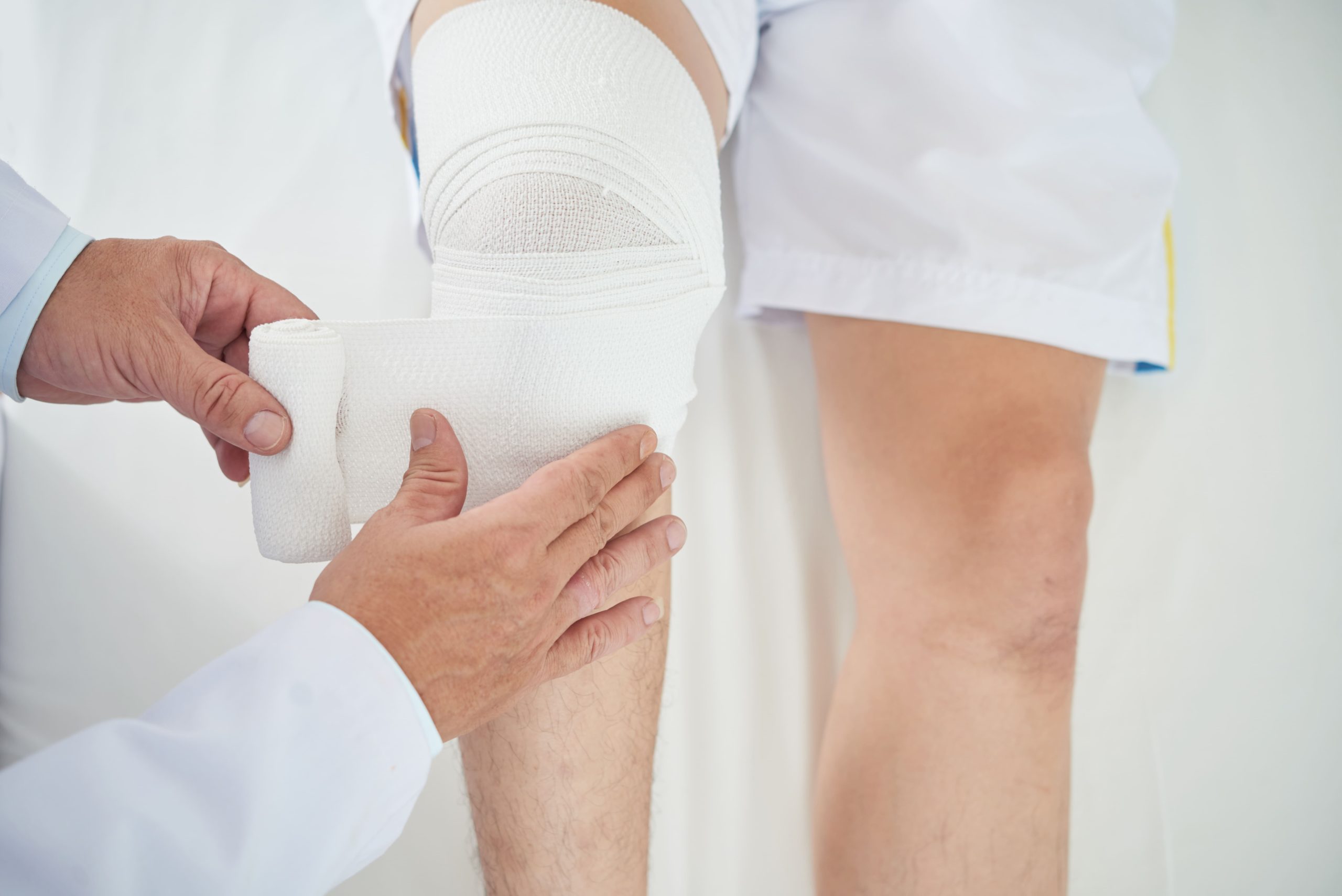
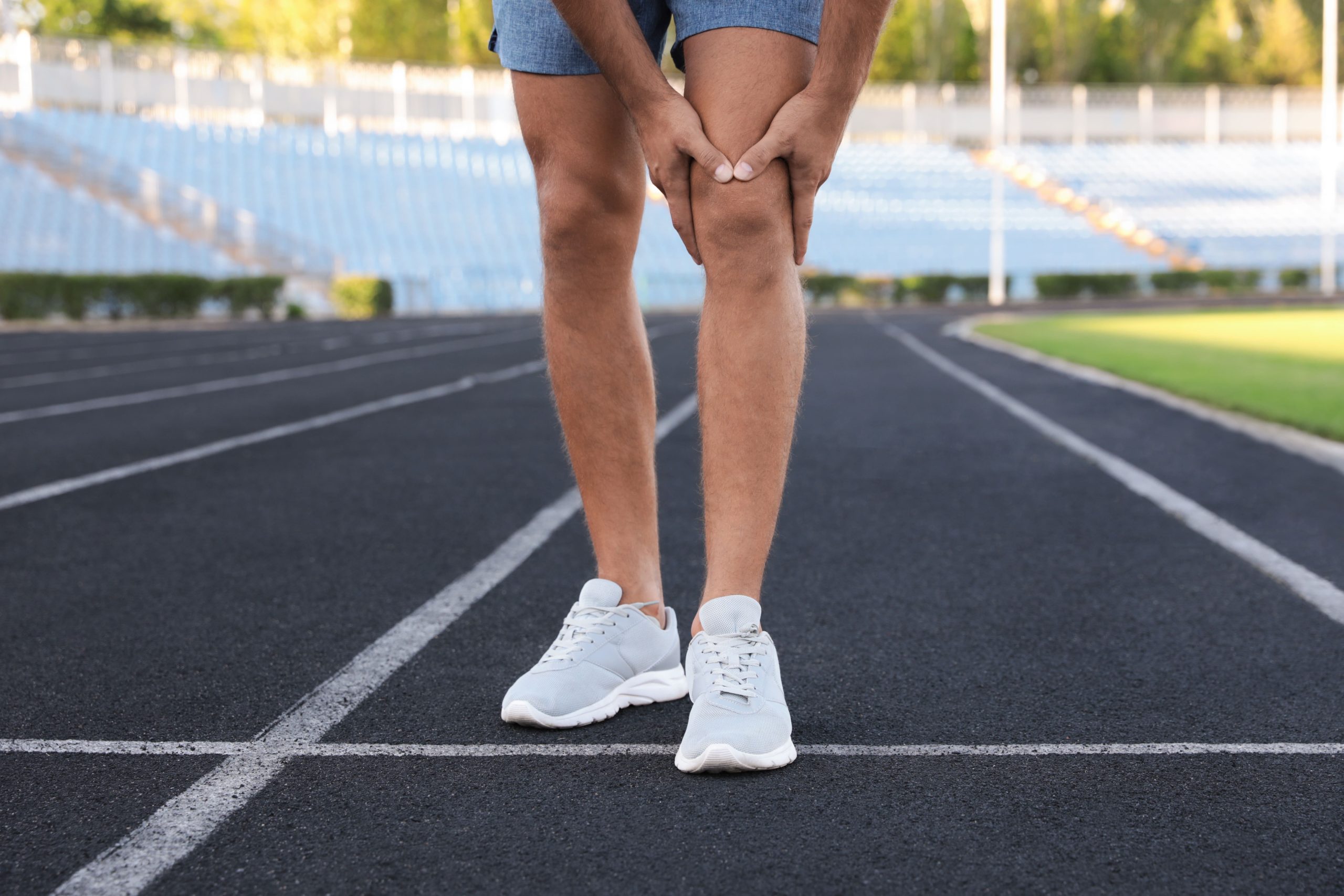
Knee arthroscopy is a minimally invasive procedure used to diagnose and treat a variety of knee conditions, including torn cartilage, ligament injuries, and loose bone fragments. While recovery times and experiences vary depending on the individual and the type of procedure, a structured approach to rehabilitation plays a key part in regaining mobility and strength.
This article breaks down the recovery process into clear stages, offering practical insights to guide you through each phase.
Immediate Post-operative Period (Days 1–7)
The first week focuses on managing post-surgical effects, initiating gentle movement, and laying the foundation for recovery.
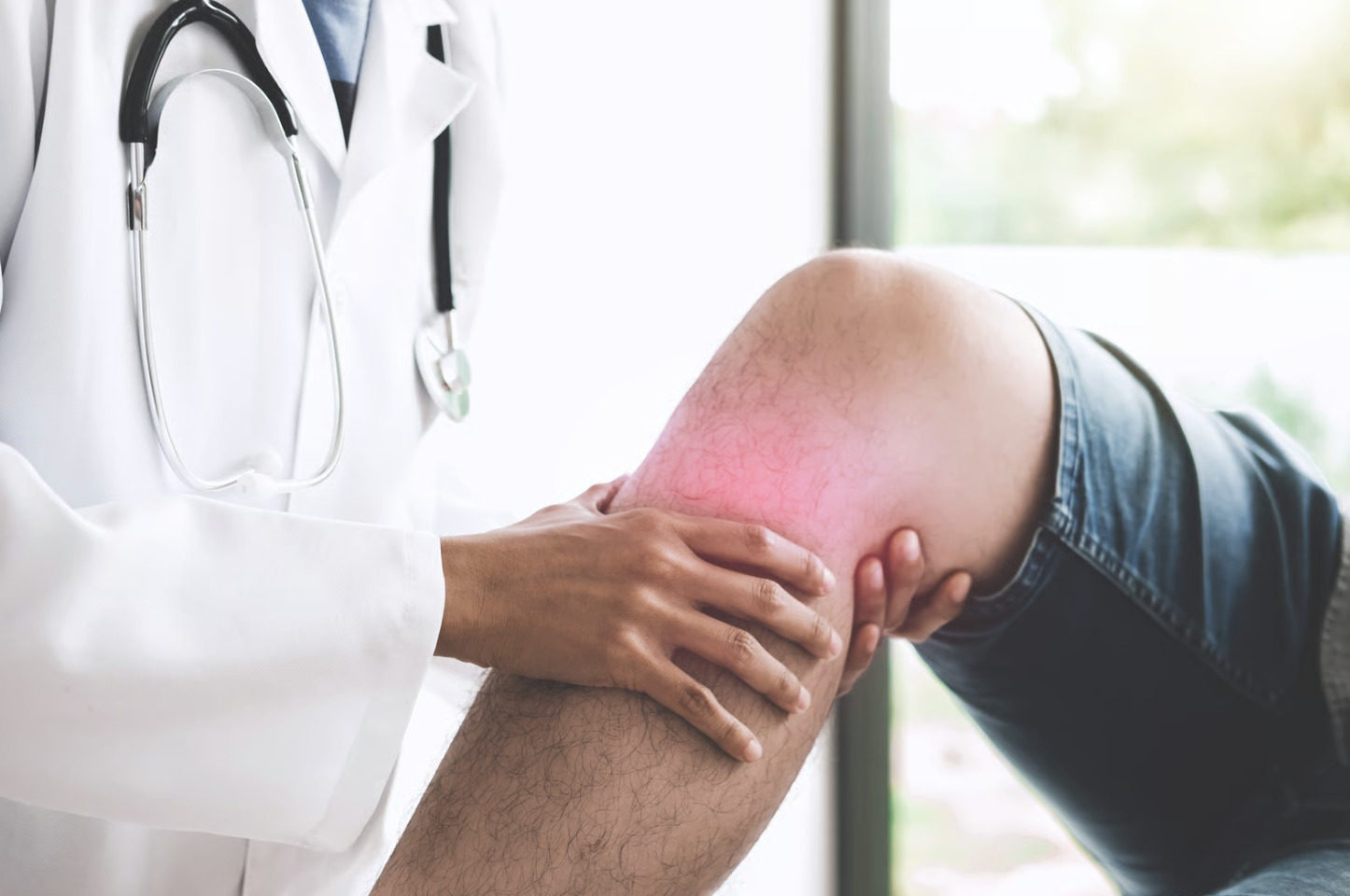
Pain and Swelling Management: Mild discomfort and swelling around the knee are typical during the initial recovery phase. Pain relief can be achieved with prescribed medication or over-the-counter options. To minimise swelling, apply an ice pack for 15–20 minutes every few hours and keep the leg elevated above heart level whenever possible.
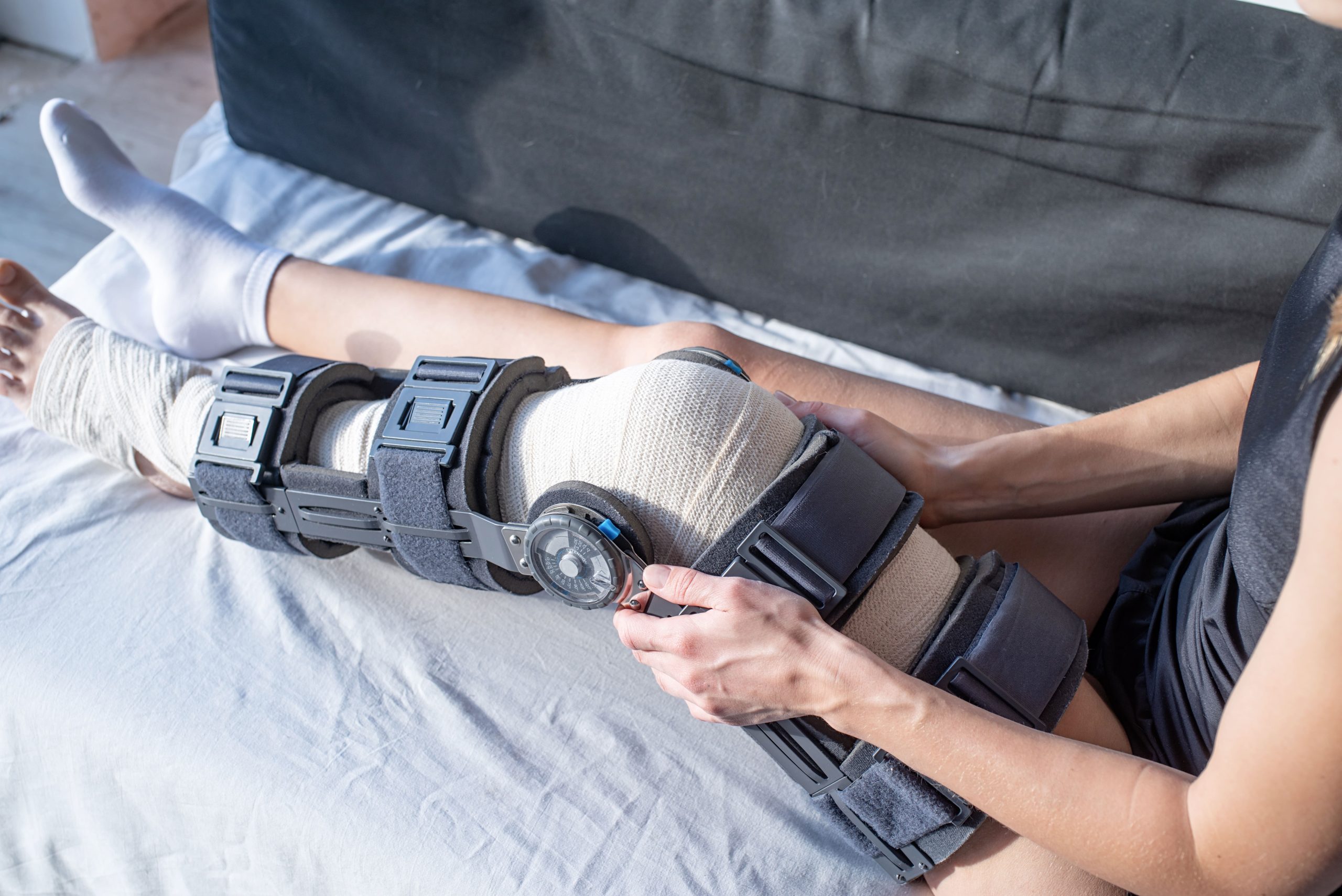
Initial Mobility: Walking aids, such as crutches or a walker, may be recommended to avoid placing full weight on the knee. A knee brace may also be used to provide added stability and prevent unnecessary strain on the joint.
Physiotherapy Introduction: Early physiotherapy focuses on maintaining mobility and preventing stiffness. Simple exercises, such as ankle pumps (moving the foot up and down) and straight leg raises, encourage blood flow and promote healing.
Early Recovery Phase (Weeks 2–4)
This phase builds on initial progress by gradually increasing mobility and strength while protecting the healing knee.
Weight-Bearing Progression: Depending on the nature of the surgery, patients may be allowed to start placing more weight on the leg. This progression should follow the surgeon’s and physiotherapist’s recommendations to avoid overloading the joint too early.
Activity Levels: Walking short distances at home or on flat surfaces is usually possible, but activities involving kneeling, squatting, or twisting should be avoided. Household tasks that do not strain the knee, such as light cooking, may be resumed.
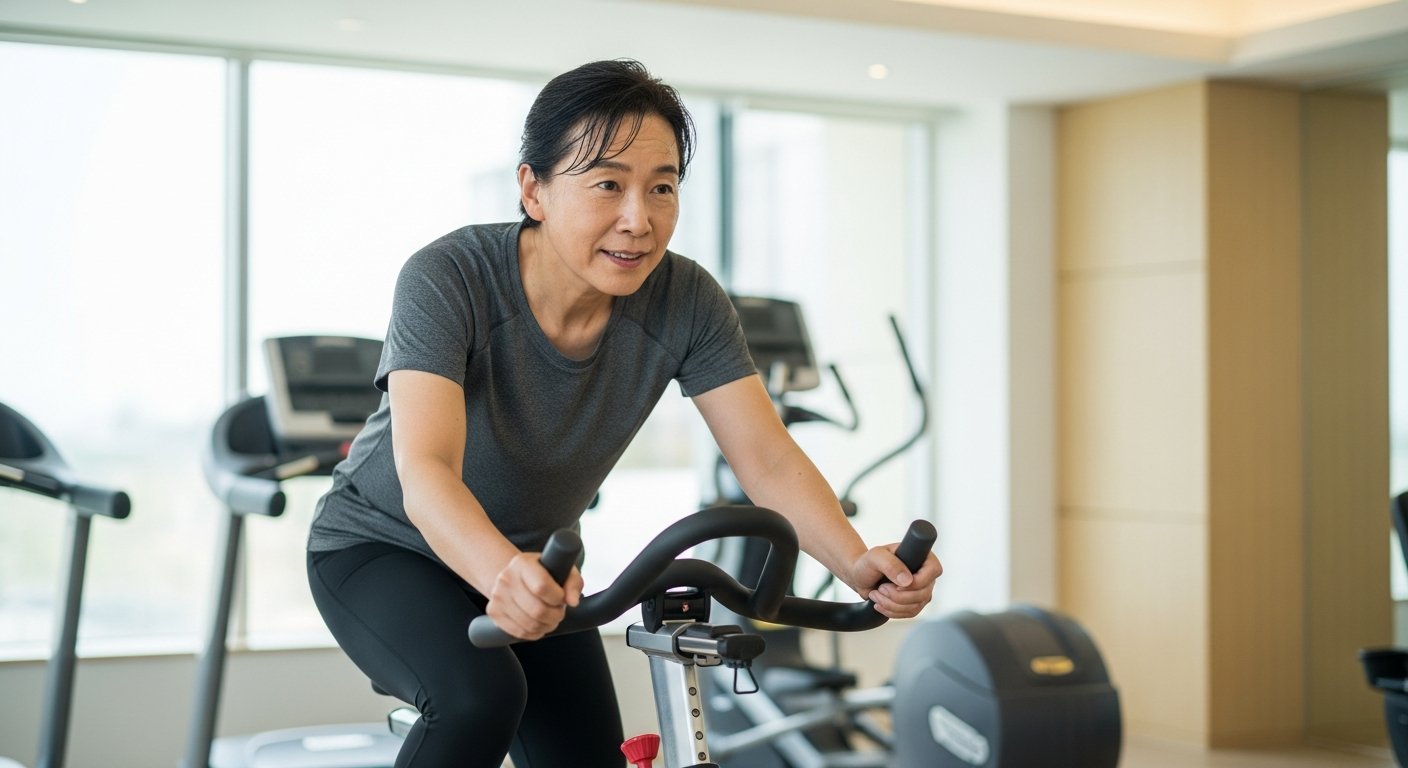
Rehabilitation Exercises: Strengthening exercises are introduced to restore muscle function around the knee. These may include mini-squats, gentle stretches, and leg presses with minimal resistance. Low-impact activities like stationary cycling can also help improve joint flexibility.
Mid-Recovery Phase (Weeks 5–8)
This stage is marked by a noticeable improvement in strength, mobility, and confidence in knee function.
Increased Strength and Stability: More advanced strengthening exercises are added to the routine, targeting the quadriceps, hamstrings, and glutes. Balance exercises, such as single-leg stands or step-ups, may also be included to improve knee stability.
Return to Normal Activities: Many patients find they can return to light daily activities, including desk work and moderate walking, without significant discomfort. Activities requiring quick or repetitive knee movements should still be avoided.
Swelling and Stiffness Monitoring: While some swelling may linger, it should gradually reduce with consistent activity and rest. Flexibility exercises help address any stiffness and restore a full range of motion in the knee.
Advanced Recovery Phase (Months 2–4)
By this stage, patients often feel more confident using their knee and may begin preparing for more demanding activities.
Sports and Fitness: Low-impact sports, such as swimming or gentle cycling, are generally permitted with medical approval. Activities that involve running, jumping, or twisting should only be reintroduced gradually, often under the guidance of a physiotherapist.
Work and Social Life: Most non-physical jobs and social activities are manageable, though physically demanding tasks or prolonged standing may still cause some discomfort. Protective supports, such as a knee brace, may be helpful during specific tasks.
Ongoing Physiotherapy: Personalisedd physiotherapy sessions remain valuable during this period. The focus is on addressing any residual weakness, improving balance, and ensuring the knee functions effectively for everyday activities.
Long-Term Recovery (4–6 Months and Beyond)
For some individuals, full recovery continues well beyond the initial months, especially for those returning to physically demanding activities or sports.
High-Impact Activities: Patients involved in high-impact sports or activities requiring quick directional changes may need additional months of rehabilitation to rebuild strength and confidence.
Lifestyle Adjustments: Maintaining a healthy weight and engaging in regular strengthening exercises can help reduce long-term strain on the knee. Activities that support joint health, such as yoga or Pilates, may also be beneficial.
Follow-Up Appointments: Routine follow-ups with the surgeon allow for monitoring the knee’s progress and making adjustments to rehabilitation plans, ensuring optimal recovery outcomes.
Conclusion
Recovery from knee arthroscopy involves several stages, each focusing on gradual improvements in strength, mobility, and functionality. While individual timelines can vary, following medical advice and committing to rehabilitation exercises are key to regaining full knee function.
If you are preparing for or recovering from knee arthroscopy, schedule a consultation to discuss a recovery plan specific to your needs.