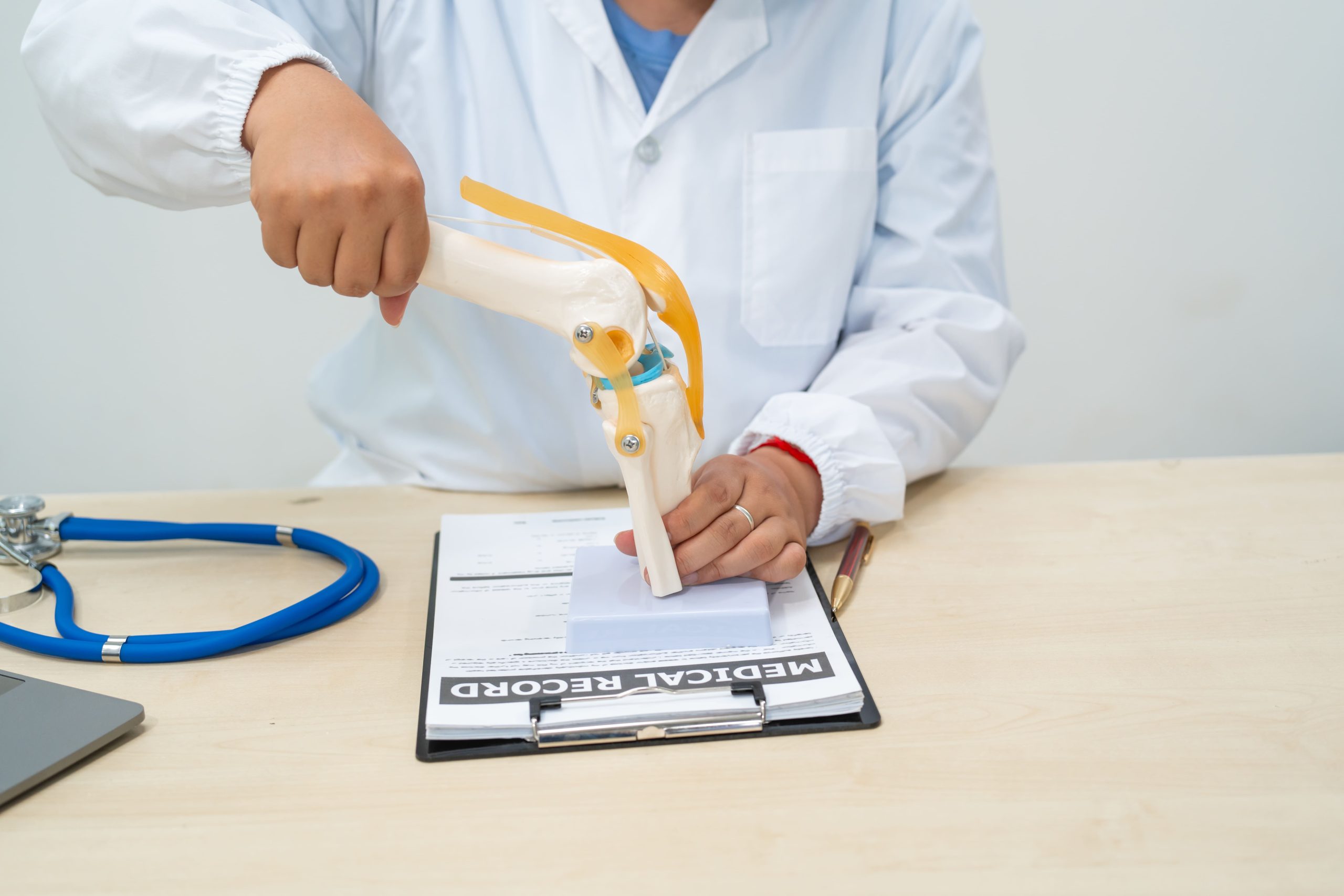
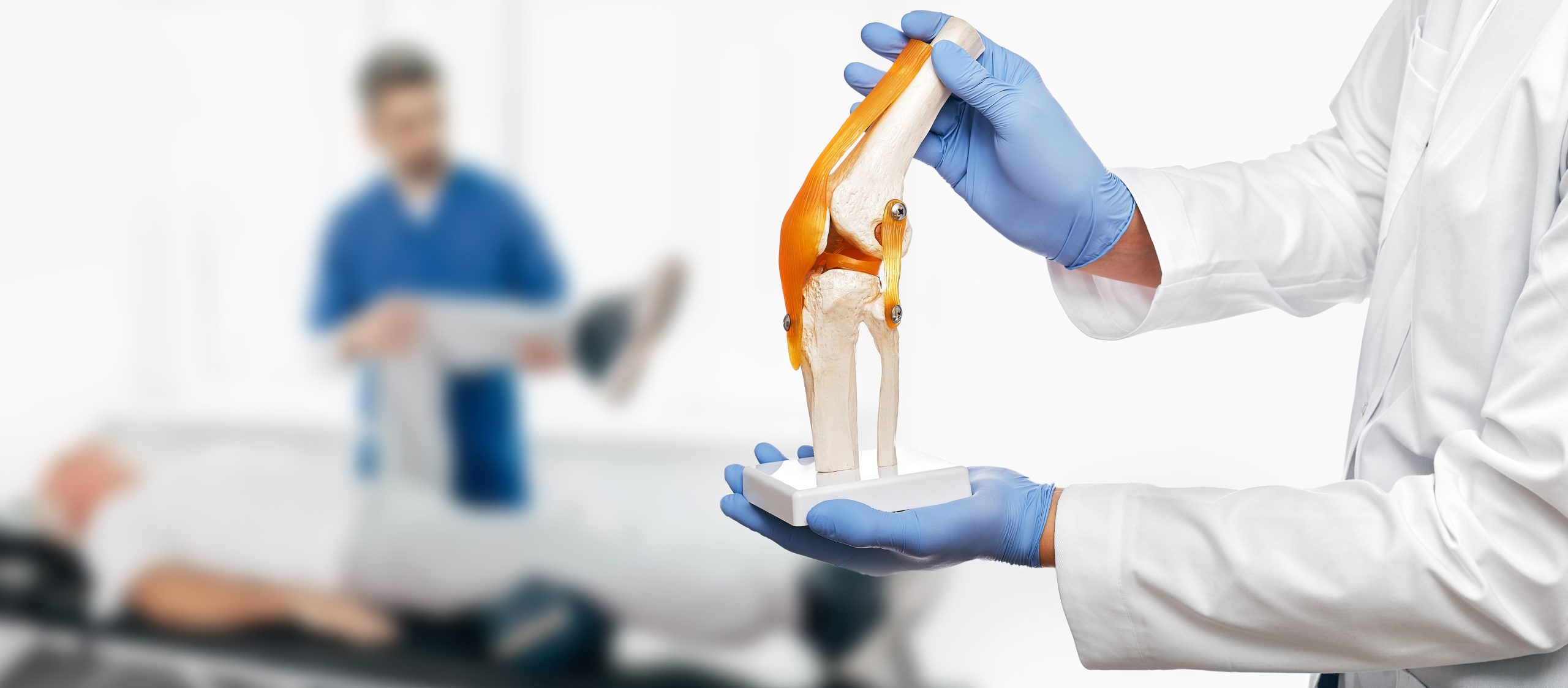
Knee replacement surgery, also known as total knee arthroplasty, is a procedure that replaces damaged knee joint surfaces with artificial components made of metal and plastic. It is commonly performed to relieve pain and improve mobility in individuals with severe knee damage caused by arthritis, injury, or degenerative conditions. The goal is to restore movement by replicating the knee’s natural rolling and gliding motion, allowing patients to regain function and return to daily activities with greater ease.
If you are considering knee replacement surgery, knowing when it may be suitable, how it is performed, and what to expect during recovery can help you prepare for the process.
When Is Knee Replacement Surgery Considered?
Several factors are assessed to determine whether knee replacement surgery is an appropriate treatment option.
Persistent Pain: Knee pain is ongoing and severe, affecting daily activities and rest. Despite non-surgical treatments such as medication, physiotherapy, or injections, the discomfort does not improve.
Limited Mobility: Walking, climbing stairs, and performing basic movements become increasingly difficult due to stiffness and reduced range of motion. Physiotherapy and other conservative treatments no longer provide relief.
Joint Deformity: The knee appears visibly misaligned, bowing inward or outward. This affects balance, posture, and normal movement, potentially leading to additional strain on other joints.
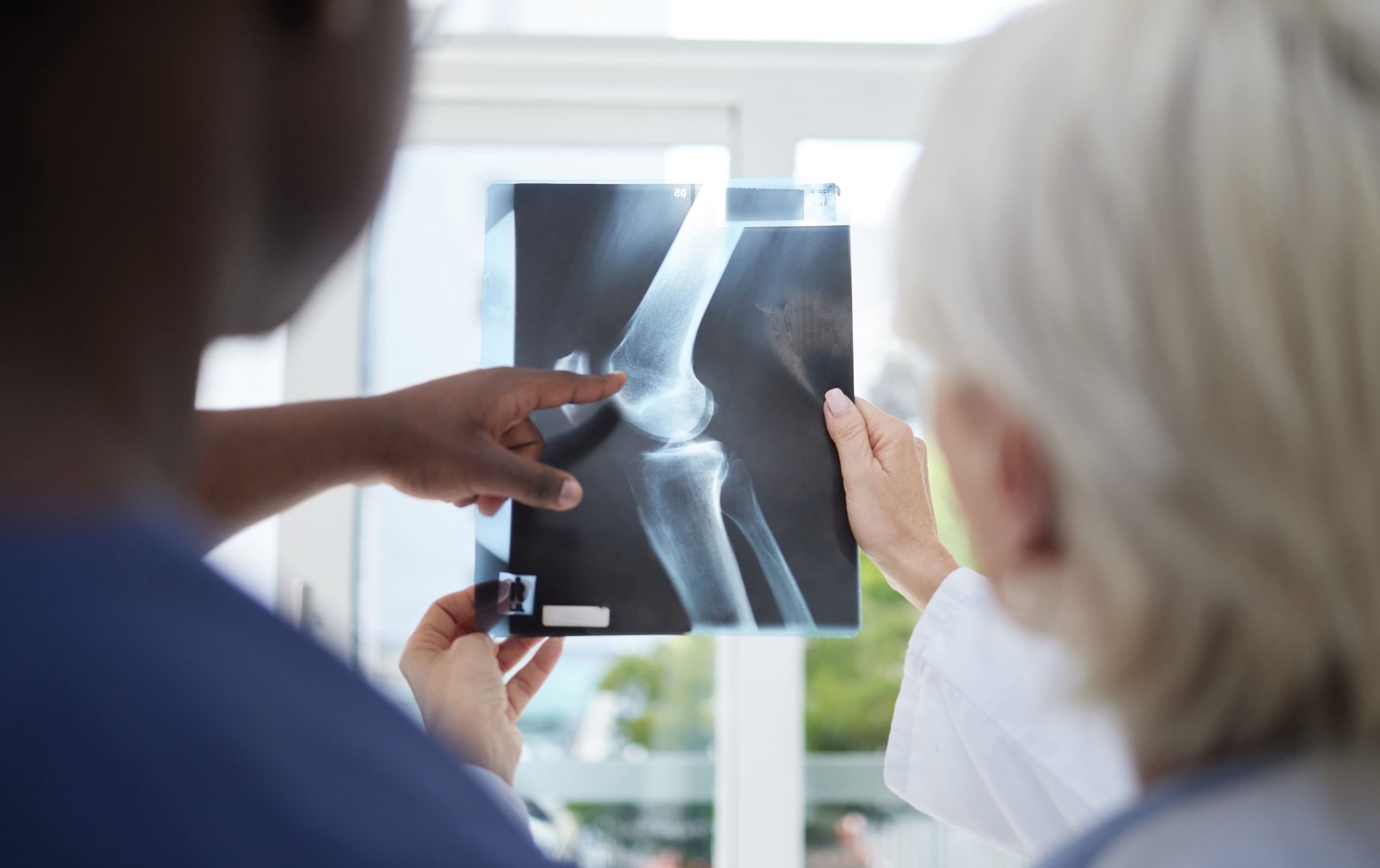
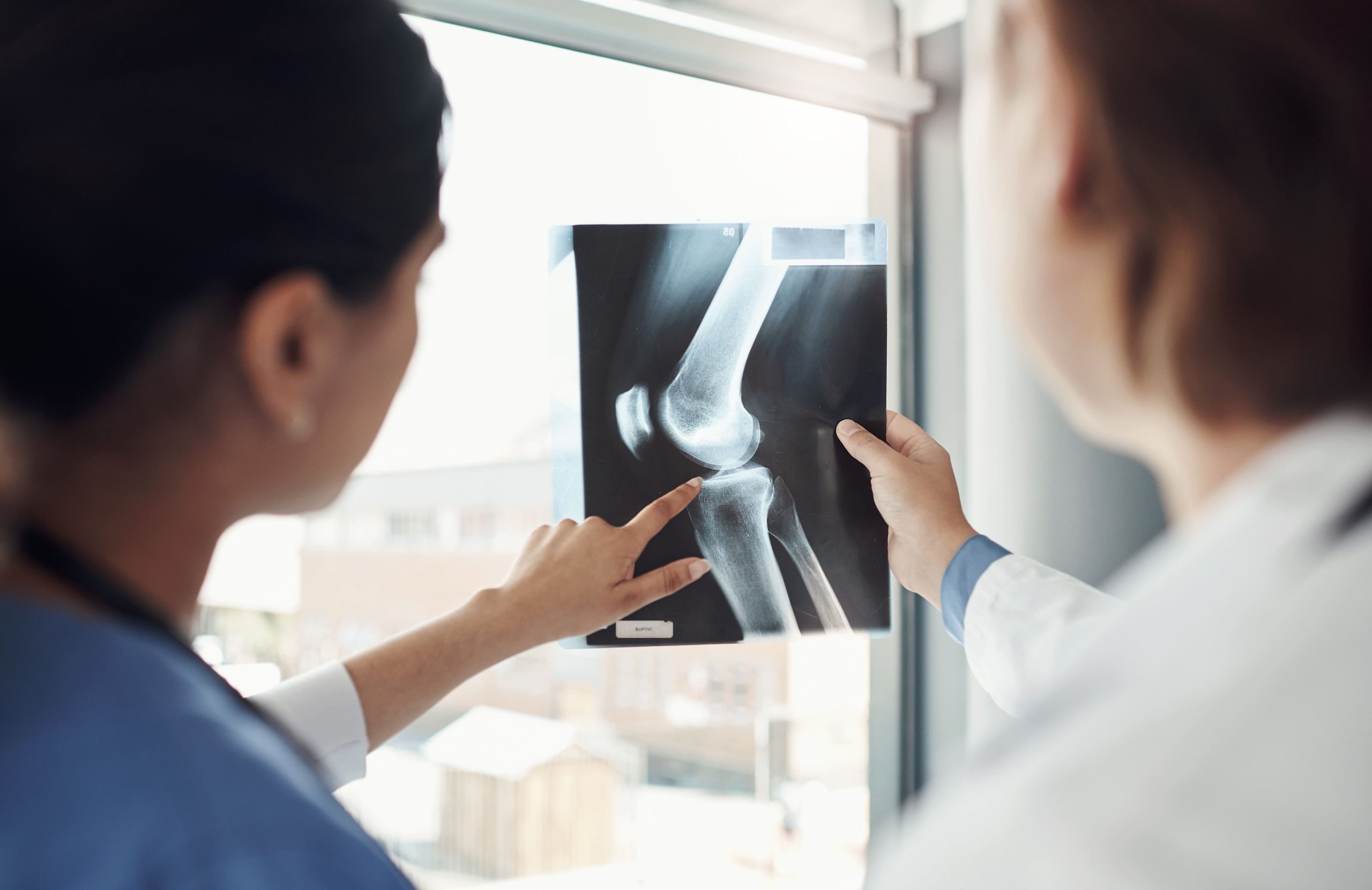
Ineffective Conservative Treatment: Non-surgical treatments, including lifestyle changes, weight management, medications, and physical therapy, have been attempted but have not provided long-term relief.Severe Joint Damage: Imaging tests such as X-rays reveal significant cartilage loss, bone erosion, or deformity that cannot be addressed through non-surgical methods or less invasive procedures.
Benefits of Knee Replacement Surgery
Patients who undergo knee replacement surgery often experience significant improvements in their daily lives. The potential benefits include:
Pain Reduction: Surgery can significantly decrease knee pain, making everyday movements more manageable.
Improved Mobility: The artificial joint enhances movement, allowing for smoother and more natural motion. Activities such as walking and climbing stairs become easier.
Better Joint Stability: The knee regains strength and balance, reducing the risk of falls and improving confidence in movement.
Corrected Deformity: The knee is realigned, restoring a more natural leg position and preventing further strain on surrounding joints.
Long-Lasting Results: With proper post-surgical care and activity management, modern knee implants typically last between 15 and 20 years, allowing patients to maintain mobility and independence.
Types of Knee Replacement Surgery
The type of knee replacement procedure performed depends on the patient’s condition and specific needs.
Total Knee Replacement
This is the most common procedure, which involves replacing all joint surfaces with prosthetics. The surgeon makes an incision of approximately 15–20 cm at the front of the knee, repositions the kneecap, and resurfaces the femur, tibia, and sometimes the patella. This approach is suitable for most patients with severe joint damage.
Minimally Invasive Knee Replacement
This technique uses a smaller incision, typically 8–10 cm, and specialised instruments to insert the same prosthetic components. It reduces tissue disruption and may lead to a quicker initial recovery. However, it is only suitable for select patients based on weight, knee flexibility, and overall health.
Partial Knee Replacement
Also called unicompartmental knee replacement, this procedure replaces only the affected portion of the knee while preserving healthy bone and cartilage. Recovery is often faster than total knee replacement, but this option is only viable for patients with damage limited to one section of the knee.
Preparing for Surgery
Proper preparation before knee replacement surgery helps ensure a smoother procedure and recovery. This includes medical assessments, adjustments to medications, and imaging tests to guide surgical planning.
Medical Evaluation: Blood tests, chest X-rays, and an ECG assess overall health and detect any conditions that may affect surgery. A thorough review of current medications and medical history ensures a safe procedure.
Medication Adjustments: Blood thinners and certain other medications may need to be modified or temporarily stopped before surgery. Doctors provide specific guidance on which medications to discontinue and when they can be resumed. Some medications require gradual adjustments over several weeks.
Pre-Surgical Imaging: X-rays, CT scans, or MRI scans help plan the procedure by determining implant size and ensuring proper alignment. These images allow surgeons to select the most appropriate implant components.
Knee Replacement Procedure
Anaesthesia and Preparation: Patients receive either general anaesthesia, which induces unconsciousness, or spinal anaesthesia, which numbs the lower body. Throughout the procedure, vital signs are closely monitored. The surgical site is cleaned and sterilised to reduce the risk of infection.
Surgical Approach: The surgeon makes an incision at the front of the knee to access the joint. The kneecap is moved aside, and damaged bone and cartilage are exposed for removal.
Bone Reshaping: Damaged joint surfaces are carefully removed using specialised guides to shape the femur and tibia, ensuring a precise fit for the artificial components. Only the necessary amount of bone is removed to accommodate the implants.
Implant Placement: Metal components are secured to the femur and tibia, usually using bone cement. A plastic insert is placed between them to provide smooth movement. If necessary, the patella is resurfaced with a plastic component to improve joint function.
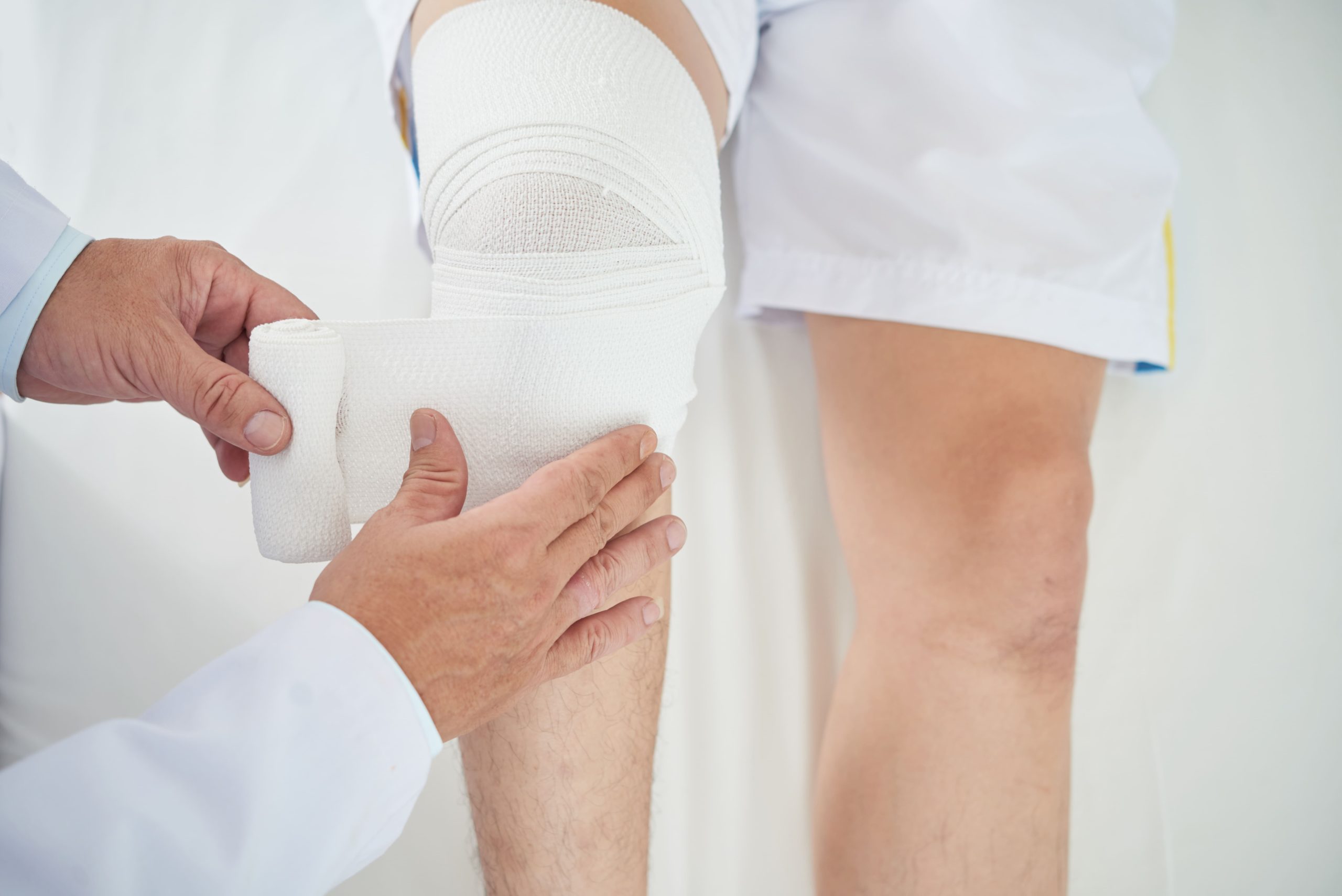
Final Adjustments and Closure: The surgeon checks the knee alignment and stability by moving the joint through a range of motion. The incision is closed with sutures, and sterile dressings are applied. A drain may be placed to prevent fluid buildup.
Recovery After Knee Replacement Surgery
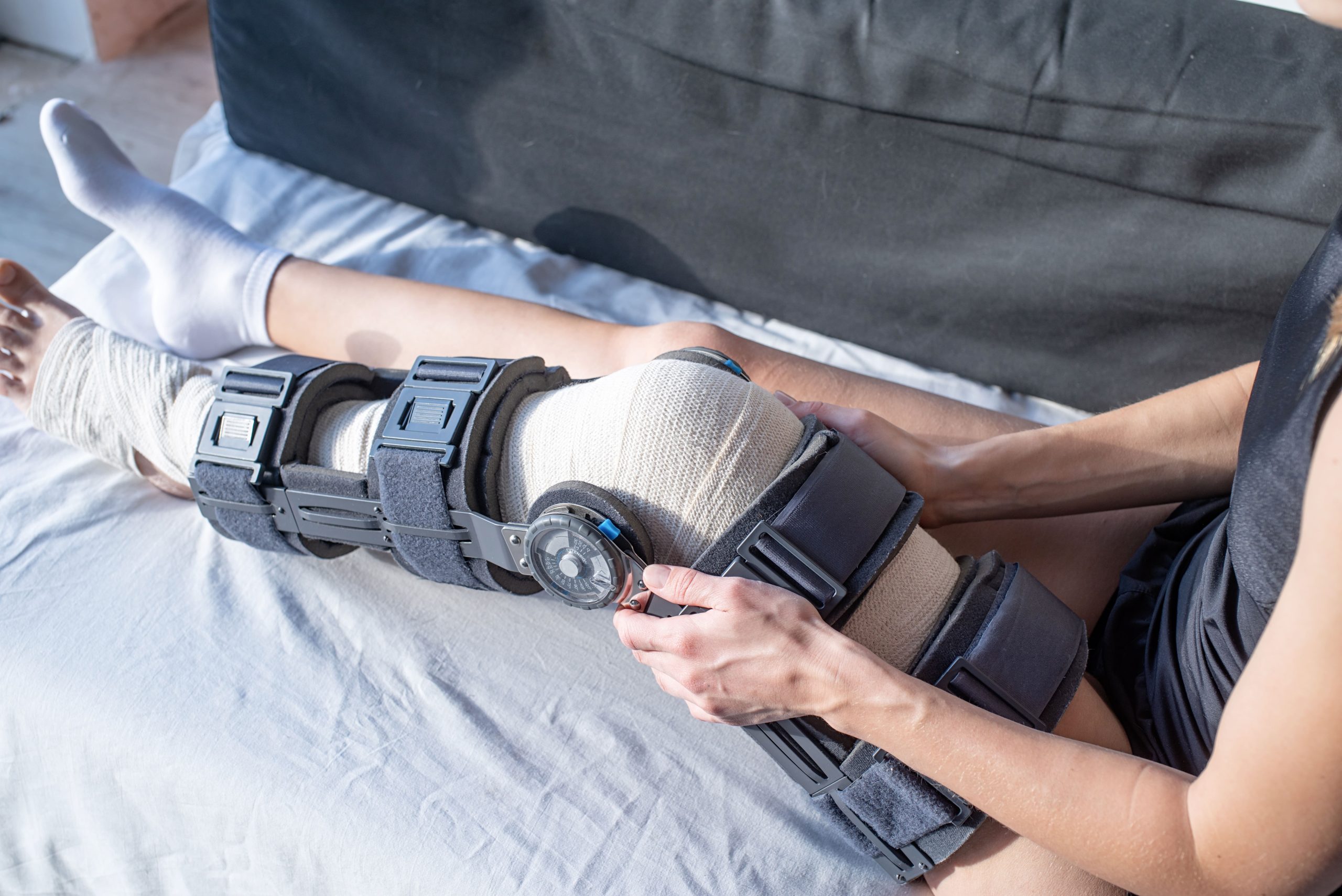
Recovery after knee replacement surgery Singapore patients receive begins with pain management and physiotherapy, which starts within 24 hours to restore movement. Most patients stay in the hospital for two to three days before discharge. In the first six weeks, physiotherapy improves mobility, with walking aids used initially. Swelling and discomfort gradually ease. By weeks 6–12, strength and balance improve, allowing for greater independence. Full recovery can take up to 12 months, with most resuming light activities by three months and more strenuous tasks by six months. Follow-up appointments ensure progress and implant function.
Potential Risks and Complications
While knee replacement surgery is a well-established procedure, there are potential risks. These include infection, which occurs in approximately 1–2% of cases and may require antibiotics or additional surgery. Blood clots can develop in the leg veins, requiring blood-thinning medication. Some patients experience stiffness or persistent pain despite surgery, and implants may loosen or wear down over time, potentially requiring further intervention. Though rare, nerve or blood vessel injuries can affect leg function.
Conclusion
Knee replacement surgery can provide lasting relief from chronic knee pain, restoring mobility and improving quality of life. Learning about the procedure, its benefits, and the recovery process can help patients prepare and make informed decisions about their care.
If you are experiencing persistent knee pain and considering surgery, schedule a consultation today to explore your options.