Regenerative medicine offers a proactive approach to knee osteoarthritis by utilising therapies like platelet-rich plasma (PRP) and stem cell therapy, which aim to help manage the condition rather than just masking symptoms.
While traditional treatments focus on pain management or total joint replacement, these biological therapies are designed to support tissue health and improve function by harnessing the body’s own healing mechanisms, though the extent of their disease-modifying effects is still being researched.
Understanding the distinct evidence, biological pathways, and expected outcomes for each treatment is an important step in determining an appropriate strategy for joint preservation.
How PRP Works in Osteoarthritic Joints
Platelet-rich plasma (PRP) therapy utilises a concentrated solution of a patient’s own platelets to deliver bioactive growth factors directly into the osteoarthritic joint.
- Growth Factor Release: Concentrated platelets release proteins — including TGF-β, PDGF, IGF-1, and VEGF — which may help modulate chronic inflammation, stimulate chondrocyte activity, and support tissue repair.
- Disease Modification: By altering the knee’s chemical environment, PRP aims to help slow the rate of cartilage breakdown alongside providing temporary pain relief, though this potential disease-modifying effect is still under clinical investigation.
- Formulation Impact: The clinical outcome often depends on the preparation method, including platelet concentration and leukocyte content. While leukocyte-poor formulations may be associated with fewer post-injection reactions, current evidence does not definitively favour one formulation over the other for clinical efficacy, and the optimal PRP preparation for knee osteoarthritis is still being refined.
- Efficient Procedure: The blood draw, centrifugation, and intra-articular injection typically take approximately 30 minutes, with the full clinical appointment usually lasting 45–60 minutes.
How Stem Cell Therapy Works
Stem cell therapy for knee osteoarthritis utilises mesenchymal stem cells (MSCs) with the goal of reducing joint inflammation and supporting tissue health through complex biological signalling.
- Cellular Versatility: Mesenchymal stem cells are harvested for their capacity to differentiate into various tissue types and secrete anti-inflammatory and regenerative molecules.
- Harvesting Methods: Cells are typically collected via bone marrow aspiration from the pelvis or through adipose tissue (fat) harvesting. Adipose-derived MSCs yield substantially more initial cells than bone marrow aspiration; however, a higher cell yield does not necessarily translate to improved clinical outcomes.
- Dual-Action Healing: Once injected, these cells may help support the joint by potentially differentiating into new cartilage cells and by using “paracrine signalling” to release anti-inflammatory molecules into the joint microenvironment.
- Signalling over Structure: The paracrine effect — acting as a “biological pharmacy” — is currently believed to be more responsible for pain relief and functional improvement than the actual growth of new cartilage, as MSC transplantation has not yet demonstrated consistent cartilage regeneration in all clinical studies.
Comparing the Clinical Evidence
Regenerative therapies are characterised by a robust body of research for PRP and a smaller, but promising, collection of data regarding the long-term potential of stem cell treatments.
PRP Evidence
Systematic reviews indicate that PRP therapy may help reduce pain and improve physical function compared to a placebo at 3, 6, and 12 months. Noticeable effects are typically observed at 6 months, with benefits sometimes extending to 12 months. Results compared to active controls, such as hyaluronic acid, are more variable.
Stem Cell Evidence
While trials are currently smaller in scale, data suggest that stem cell therapy can provide pain reduction with benefits potentially lasting up to two years. Early head-to-head comparisons suggest that stem cells may offer some advantages over PRP in certain functional measures, though both aim to improve overall joint health.
Cartilage Regeneration
Current MRI studies provide mixed structural data, with some evidence suggesting a slower rate of cartilage loss and emerging data showing measurable cartilage volume improvement in early disease with stem cell therapy. However, conclusive proof of true hyaline cartilage regrowth has not been established in broad clinical populations. While both therapies show promise for symptom management and inflammation reduction, neither has been proven to fully restore native joint tissue, and no major international medical society currently recommends either as standard care for cartilage regeneration.
⚠️ Important note for Singapore patients: Intra-articular stem cell injections for knee osteoarthritis are not currently approved for routine clinical use by the Health Sciences Authority (HSA) in Singapore. Such treatments remain investigational and may only be administered within the context of a registered clinical trial or regulated cell-based therapy programme. PRP therapy is available in outpatient clinical settings and does not fall under the same cell-based regulatory framework. Patients should consult their treating clinician and verify the regulatory status of any treatment before proceeding.
Treatment Selection Considerations
Several factors influence which regenerative option — if any — suits a particular patient.
Disease Severity
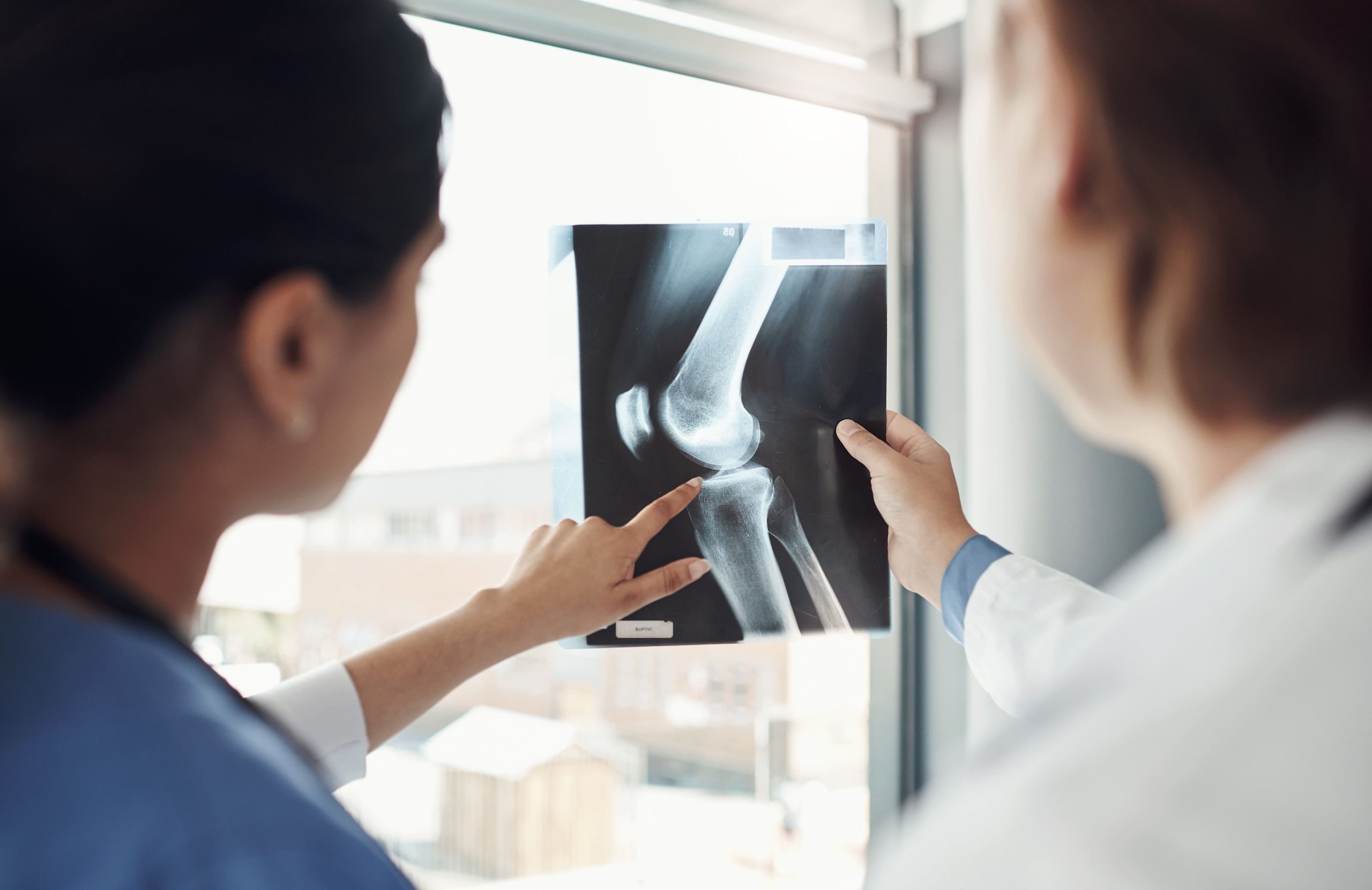
Mild to moderate osteoarthritis (Kellgren–Lawrence grades I–II) generally responds well to PRP. Stem cell therapy may offer symptomatic benefit across a broader range of disease severity, including moderate-to-severe disease, though neither treatment can rebuild lost joint surface or restore cartilage in truly end-stage, bone-on-bone arthritis. Imaging assessment, particularly MRI, helps determine remaining cartilage thickness and overall joint health.
Patient Age and Activity
Younger patients seeking to delay joint replacement may benefit from regenerative approaches as part of a joint preservation strategy. However, age alone does not determine candidacy — overall health, activity demands, and disease characteristics matter more than chronological age.
Previous Treatments
Patients who have not responded to conventional conservative measures — physical therapy, weight management, activity modification, and oral medications — may consider regenerative options before contemplating surgery. Those who have failed corticosteroid injections may still respond to PRP, which works through different biological mechanisms.
Cost and Accessibility
PRP requires simpler equipment and processing, making it less expensive and more widely available in Singapore’s outpatient clinical setting. Stem cell harvesting involves additional procedures, specialised processing, and significant regulatory requirements, increasing both cost and complexity — and currently requiring a clinical trial or regulated programme context for orthopaedic use in Singapore.
What to Expect During Treatment
The treatment process involves a specialised preparation phase followed by a targeted injection, with specific recovery protocols designed to maximise the biological response.
PRP Procedure
The procedure begins with a standard blood draw, followed by centrifugation to isolate and concentrate the platelets into a therapeutic solution. Centrifugation protocols vary by clinical system and may involve one or two spins, typically lasting 10 to 20 minutes in total, depending on the specific preparation method. After the ultrasound-guided injection, patients must avoid anti-inflammatory medications and strenuous activity for several days to prevent interfering with the initial healing response.
Stem Cell Procedure
Depending on the source, cells are harvested via bone marrow aspiration from the pelvis or mini-liposuction of adipose tissue under local anaesthesia. Following the injection into the joint, a more structured recovery period of one to two weeks is generally required to allow the harvest and injection sites to stabilise properly.
Realistic Outcome Expectations
Neither treatment reliably cures osteoarthritis nor consistently restores full cartilage integrity across all patients. Realistic goals include:
- Pain reduction, allowing decreased reliance on medications
- Improved function for daily activities and moderate exercise
- Potential delay of joint replacement surgery
- Better response to physical therapy and exercise programmes
Symptom improvement, when it occurs, typically develops gradually over weeks to months rather than immediately following injection. Maximum benefit often appears at three to six months, with variable duration thereafter.
Some patients experience minimal or no improvement. Predictors of poor response include severe disease, significant mechanical malalignment, obesity, and widespread inflammatory conditions. Conversely, patients with localised disease, good muscle strength, and commitment to rehabilitation tend to respond more favourably.
When to Seek Professional Help
- Knee pain persists despite several months of conservative treatment
- Pain limits work capacity or daily activities
- Mechanical symptoms such as locking or giving way
- Progressive stiffness reduces the knee range of motion
- Swelling that recurs frequently or doesn’t resolve
- Night pain disturbs sleep regularly
- Commonly Asked Questions
How long do PRP results typically last?
Published studies report variable duration of benefit. Some randomised controlled trials demonstrate maintained improvement up to 12 months, though high-quality placebo-controlled trials show inconsistent results beyond this timeframe.
Can I have stem cell therapy if I’ve already tried PRP?
Yes. The treatments work through overlapping but distinct mechanisms. Previous PRP treatment does not preclude stem cell therapy, though response to PRP may inform expectations — patients who responded partially to PRP may respond to stem cells, while complete non-responders may have disease characteristics limiting regenerative potential.
Do these treatments work for bone-on-bone arthritis?
Results in advanced disease are generally disappointing. When significant cartilage remains, regenerative treatments may slow progression and improve symptoms. Once bone contacts bone directly, joint replacement typically provides more reliable outcomes.
How many injections will I need?
PRP protocols commonly involve one to three injections spaced several weeks apart. Stem cell therapy usually involves a single injection, though some protocols include repeat treatments. Your orthopaedic surgeon will recommend a specific protocol based on your situation.
Can regenerative treatment prevent the need for knee replacement?
Some patients successfully delay or avoid joint replacement through regenerative treatment combined with comprehensive conservative management. However, progressive disease may eventually require surgical intervention regardless of regenerative therapy attempts.
Next Steps
PRP and stem cell therapy generally offer notable benefits in mild to moderate osteoarthritis, before cartilage loss becomes complete. Neither treatment produces reliable results in bone-on-bone disease, where joint replacement remains a more predictable option. Outcomes for both treatments vary among individuals, and responses depend on disease severity, mechanical alignment, and commitment to supporting measures such as exercise and weight management.
If you are experiencing persistent knee pain, stiffness, or reduced function from osteoarthritis, consult an orthopaedic knee surgeon in Singapore to assess your disease severity and determine whether PRP or stem cell therapy is appropriate for your condition.

Experiencing Knee Pain or Injury?
Get a Personalised Treatment Plan
Find relief with our hip & knee specialists.
Make An Enquiry