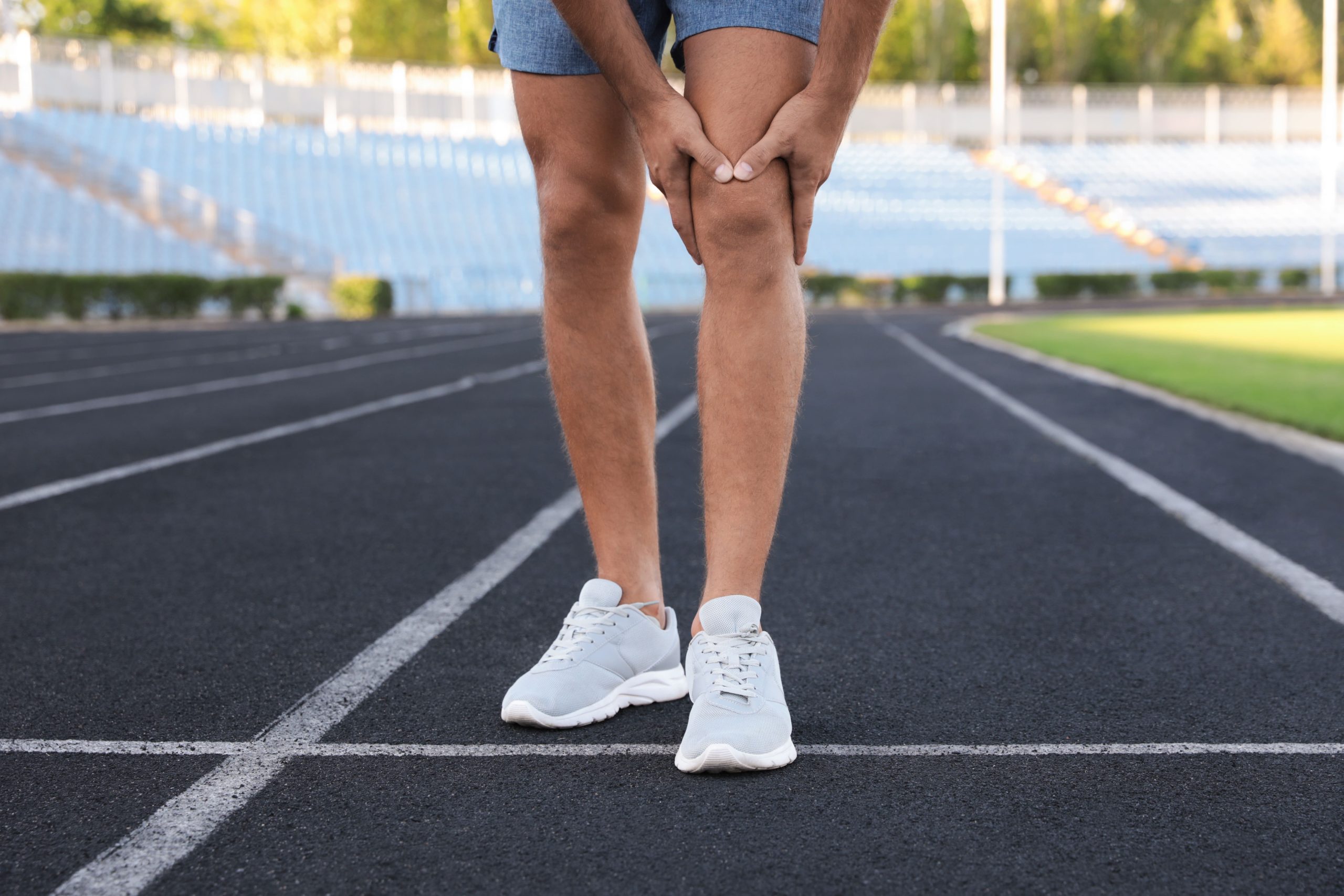
Partial knee replacement surgery involves replacing only the damaged portion of the knee joint, rather than the entire joint. This focused approach often leads to faster recovery and a more natural range of motion in patients with localised knee arthritis. Below are five important facts to understand before considering this procedure.
What Is Partial Knee Replacement?
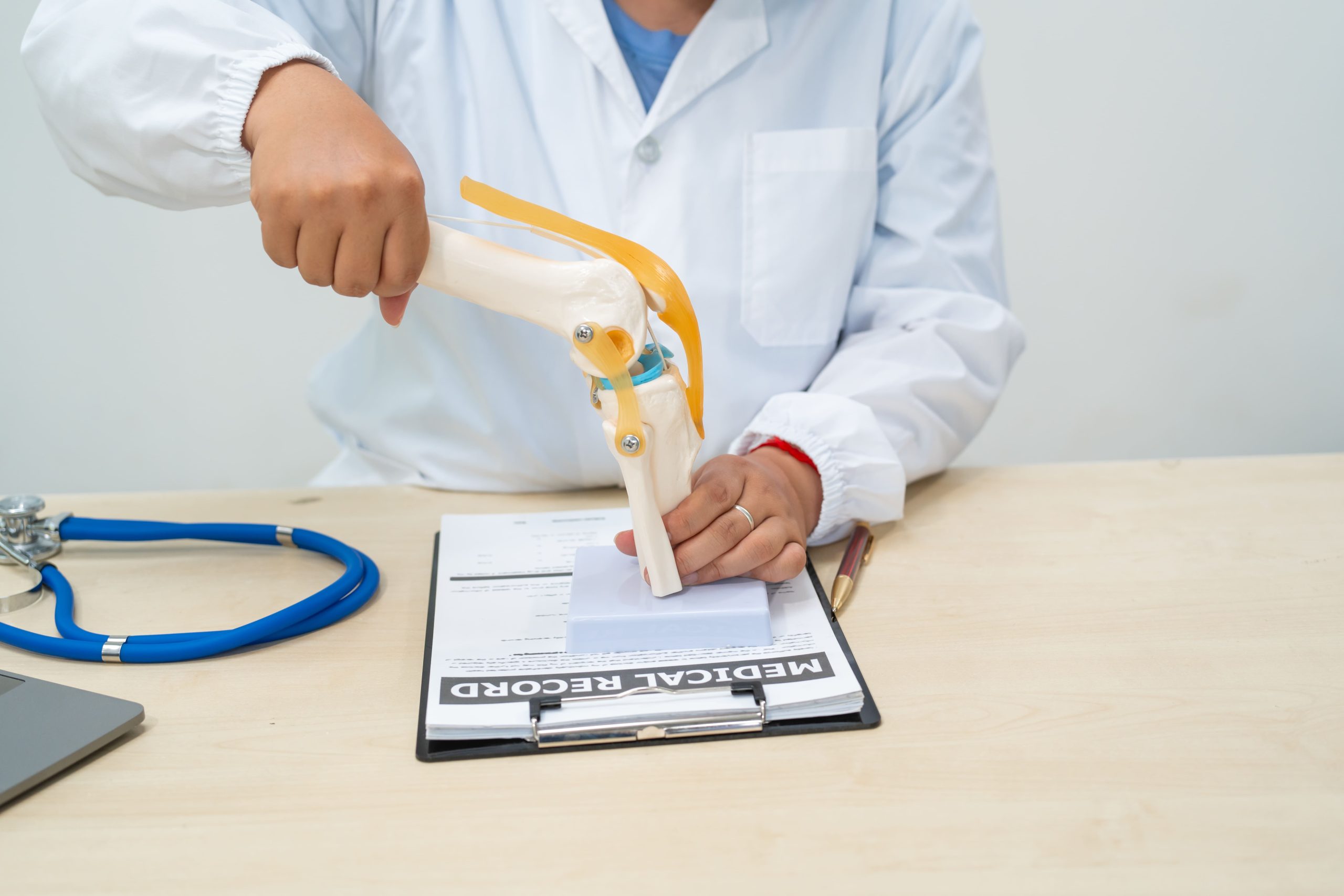
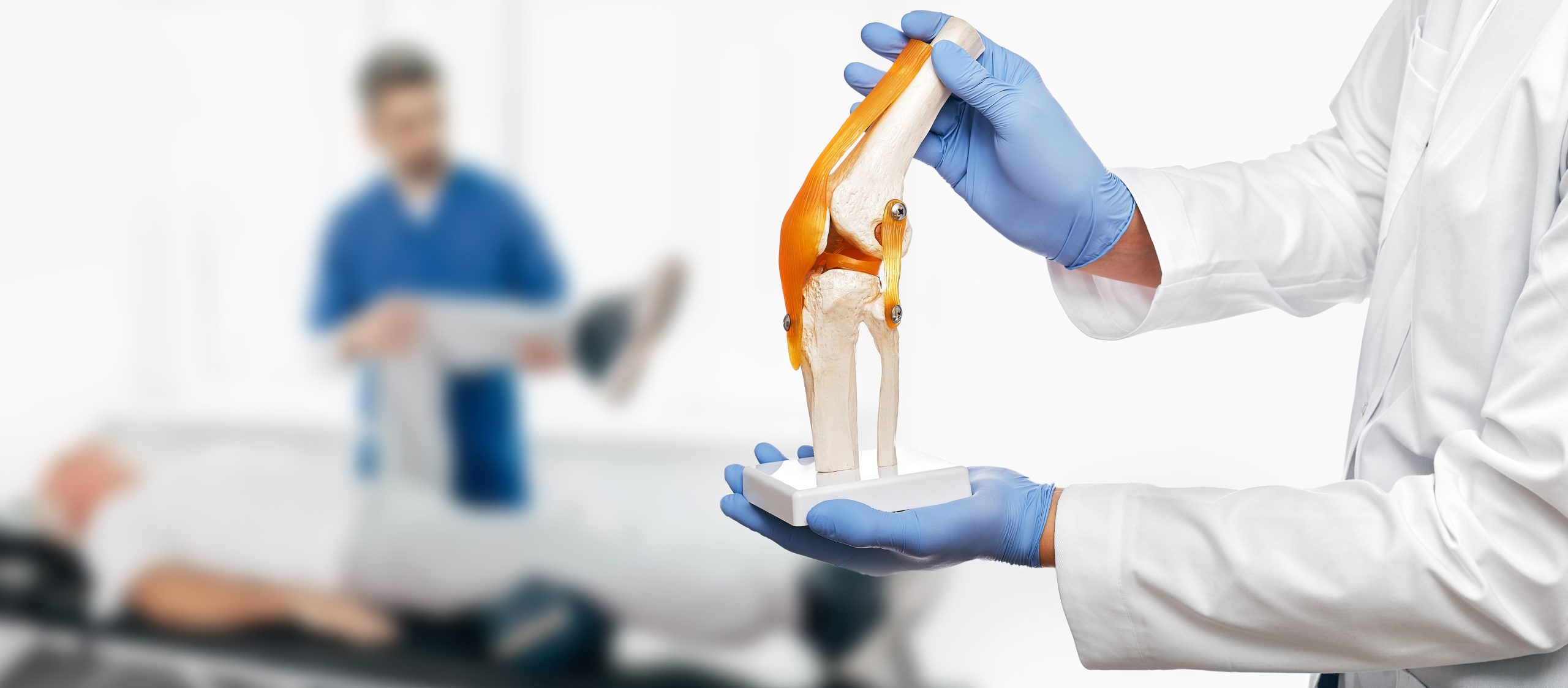
Partial knee replacement is a surgical procedure where only the damaged compartment of the knee, such as the inner (medial), outer (lateral), or kneecap (patellofemoral) area, is replaced while the healthy bone, cartilage, and ligaments like the anterior cruciate ligament (ACL) are preserved. This surgical technique uses a small incision and causes less disruption to surrounding tissue, helping maintain more natural joint function after surgery.
Who Might Be Suitable for Partial Knee Replacement?
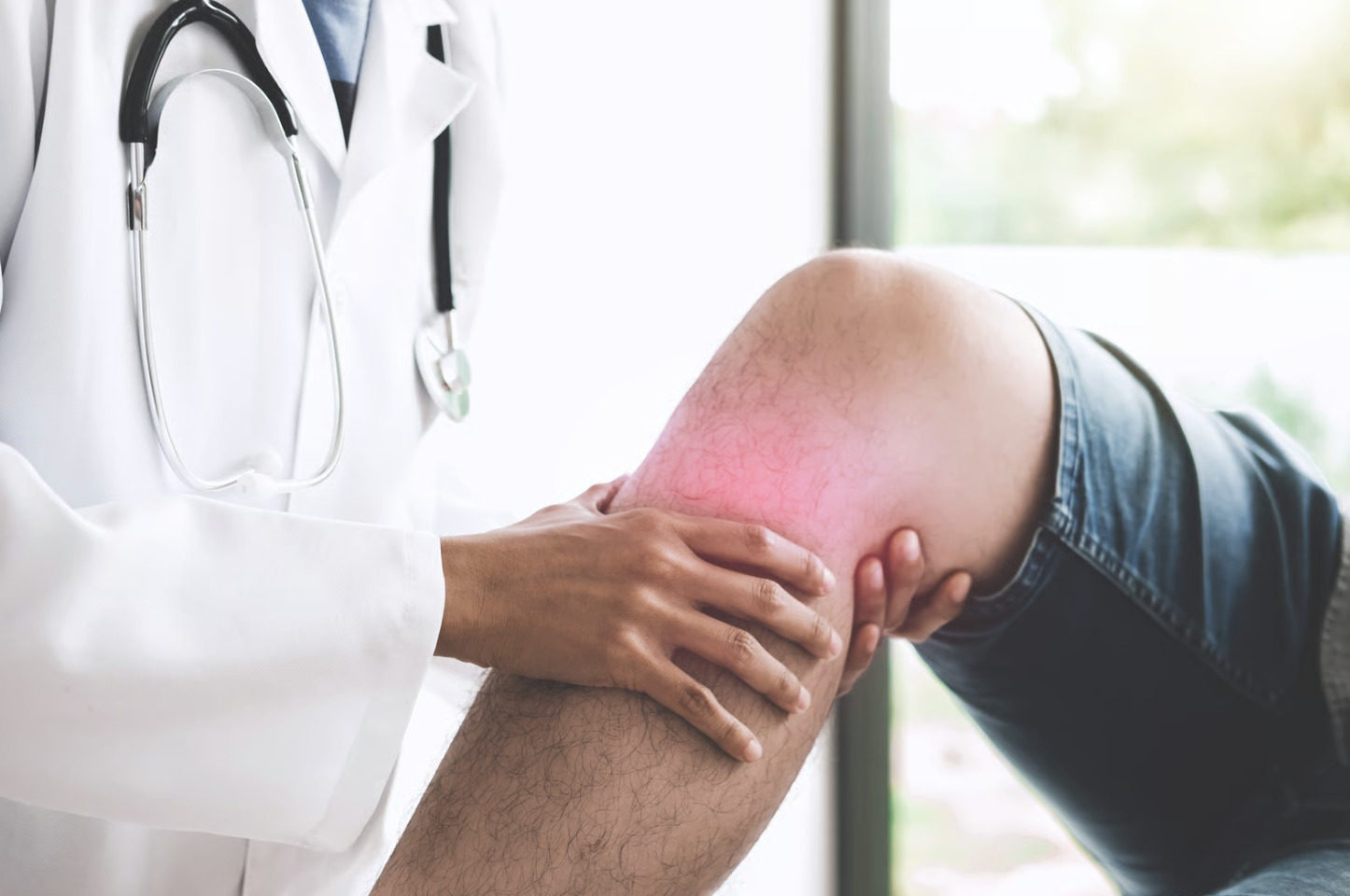
Localised arthritis: Damage is limited to one compartment of the knee, with healthy cartilage in the remaining areas
Intact ligaments: The anterior cruciate ligament and other supporting ligaments must be stable and functional
Good range of motion: The knee should be able to bend to at least 90 degrees prior to surgery
Suitable activity level: Typically recommended for individuals over 60 who engage in low impact activities rather than high intensity sports
Recovery Differences from Total Knee Replacement
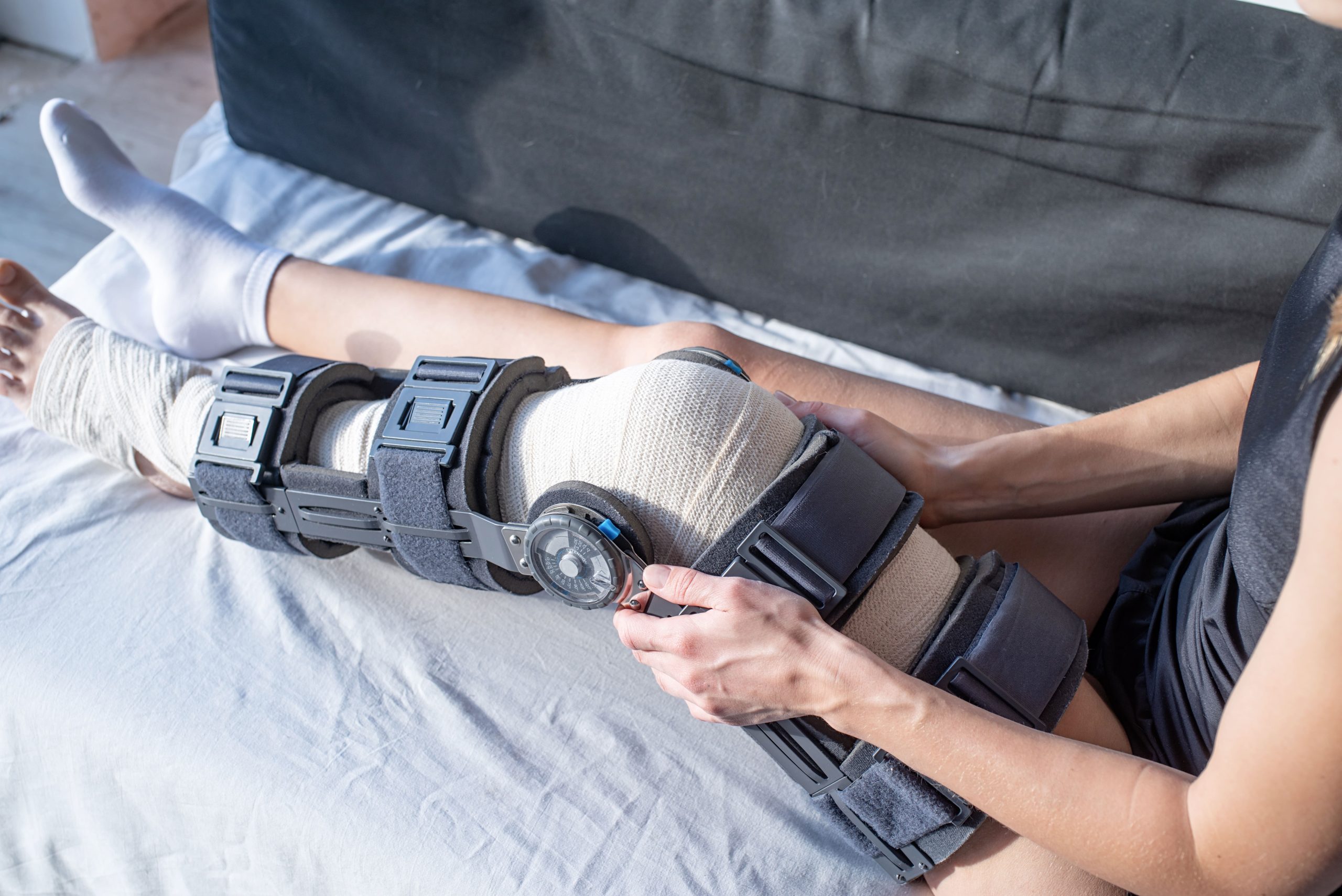
Partial knee replacement usually allows for a quicker and smoother recovery:
Hospital stay: Most patients are discharged the same day or after one night
Walking timeline: Patients often begin walking with support within hours and without aids within 2 to 4 weeks
Return to activities: Light physical activity may resume within 4 to 6 weeks, with full recovery by 3 to 4 months
Physiotherapy: Rehab is generally shorter, focusing on restoring strength and motion in the preserved parts of the joint
Long-term Outcomes and Expectations
With proper patient selection and adherence to rehabilitation, long-term outcomes are often very positive:
Pain relief: Around 85 to 90 percent of patients report lasting pain reduction
Natural movement: Many describe the joint as feeling more natural than after total knee replacement
Implant lifespan: Implants typically last 15 to 20 years with proper care
Satisfaction rates: Most patients express high satisfaction and say they would choose the surgery again
Why See an Orthopaedic and Knee Specialist in Singapore?
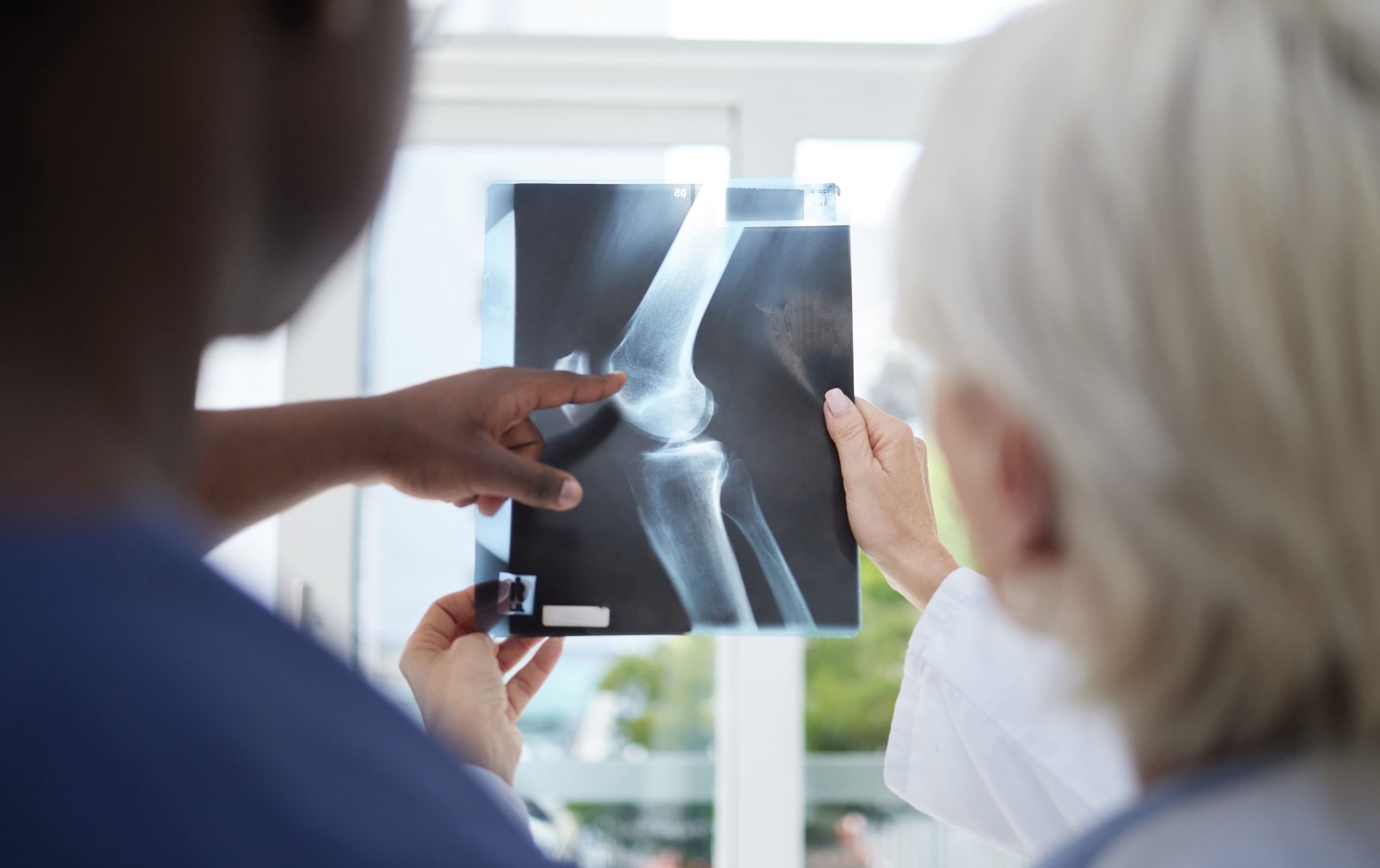
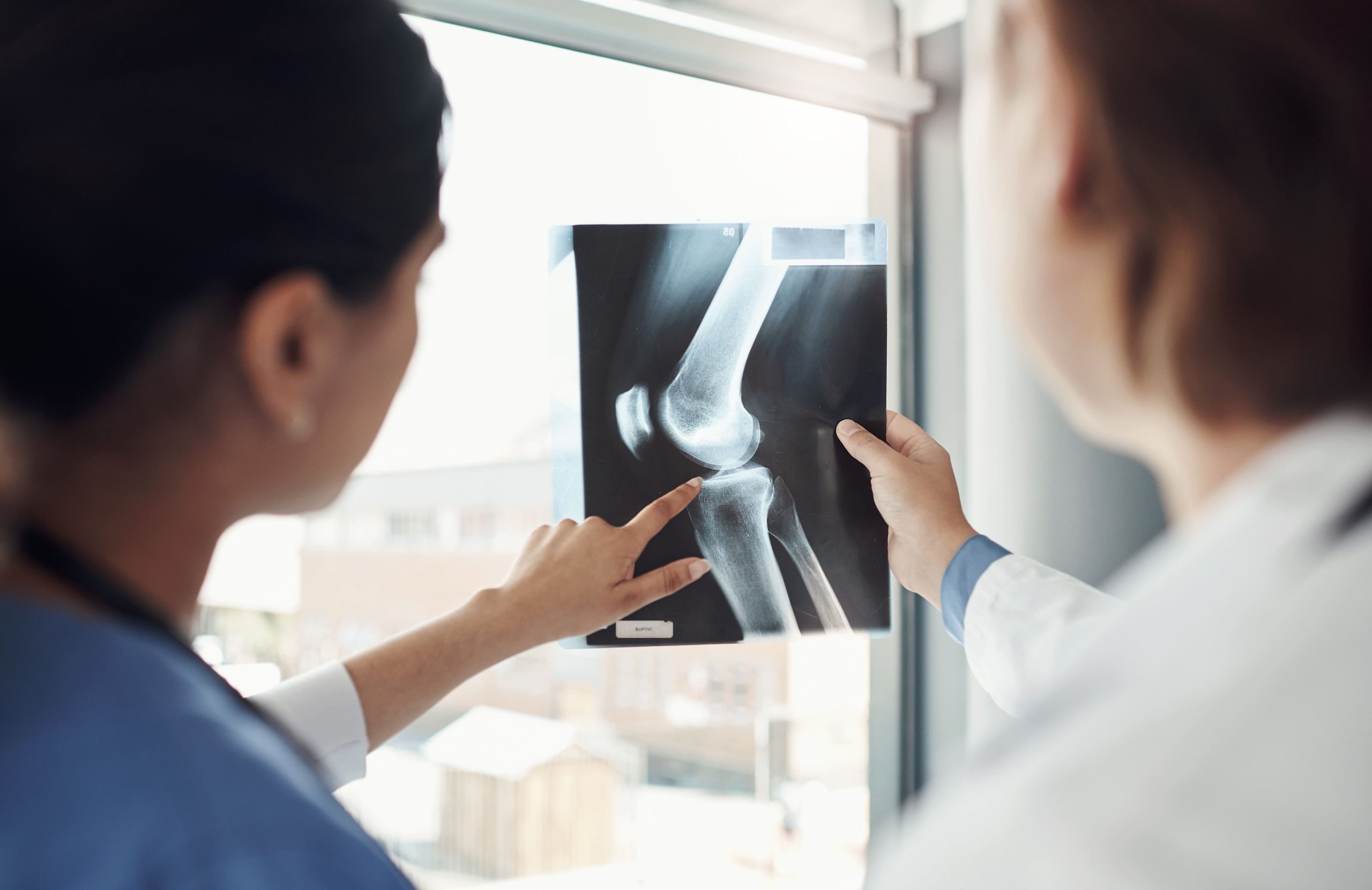
If you are considering partial knee replacement, consulting a specialist with dedicated expertise in knee conditions is an important step. An orthopaedic and knee specialist is trained to assess the type, location, and severity of your joint damage in detail, helping determine whether partial replacement is suitable for your case. With access to advanced imaging and surgical techniques, a knee specialist can tailor treatment precisely to the affected compartment while preserving healthy structures.
Choosing a surgeon who focuses specifically on hip and knee care ensures a more accurate diagnosis, appropriate surgical planning, and a smoother recovery journey.
Conclusion
Partial knee replacement can relieve pain and restore function for patients with arthritis limited to one part of the knee. If your symptoms continue despite treatment, consult an orthopaedic hip and knee specialist to determine if this option is right for you.